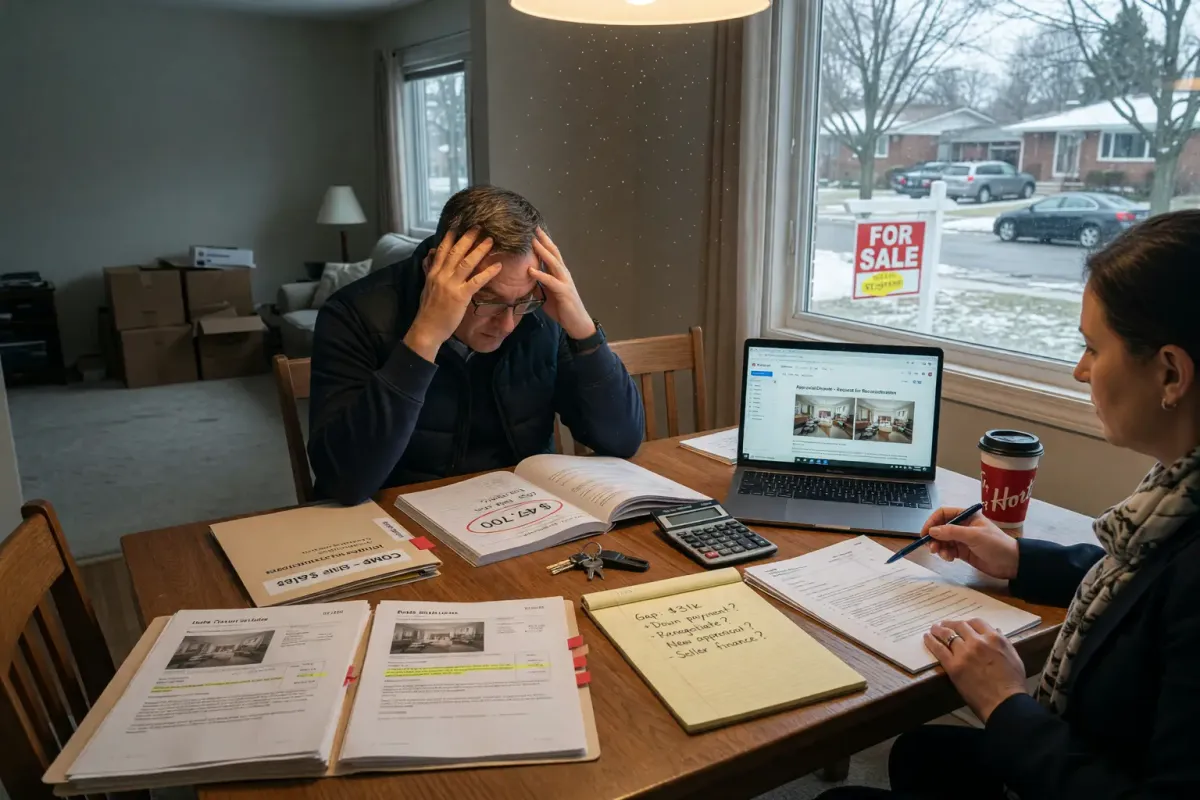
Few things are more frustrating than getting an appraisal back below what you expected—or worse, below what you need to close the deal.
You’ve done your analysis. You’ve agreed on a price. And now some appraiser with 30 minutes in your property is telling you it’s worth less than everyone thought.
Here’s the thing: low appraisals happen, and they’re not the end of the world. You have options. Let me walk you through them.
Why Low Appraisals Happen
| Cause | Your Best Response |
|---|---|
| Market decline | Renegotiate or reconsider |
| Poor comparable selection | Dispute with better comps |
| Missed property features | Provide documentation |
| Appraiser inexperience | Request second appraisal |
| Genuine overpricing | Negotiate or walk away |
Sometimes the appraiser is wrong. They used inappropriate comps, missed features, or made errors. This is worth fighting.
Sometimes the appraiser is right. You agreed to pay more than market value supports. Competitive bidding or emotional attachment led to overpaying. This is worth acknowledging.
Knowing which situation you’re in determines your response.
Step 1: Review the Report Carefully
Before you react, read the appraisal thoroughly. Look at:
- Which comparable sales were used
- How adjustments were applied
- What condition assessments were made
- Whether anything was missed or wrong
This review identifies whether you have grounds for dispute or need to accept the result.
Before you commit to any mortgage product, it helps to get a second opinion — book a free strategy call with LendCity to see which options actually fit your financial picture.
When you’re ready to structure the mortgage side of this strategy, our multi-family mortgage financing guide covers the programs that typically fit.
Step 2: Talk to Your Lender
Understand your options within their policies:
- Can you get a second appraisal?
- What’s the dispute process?
- What are your time constraints?
Different lenders have different flexibility. Know what’s possible before choosing a path.
Option 1: Request a Second Appraisal
If your lender permits it, a fresh evaluation by a different appraiser might reach different conclusions.
When this makes sense:
- First appraiser lacked market knowledge
- You believe better comps exist
- Significant errors affected the result
The risk: Second appraisal might come back even lower. You pay for it regardless of outcome.
Preparing for round two:
- Compile better comparable sales
- Document features the first appraiser missed
- Make sure the property shows well
You can’t tell the appraiser what value to conclude, but you can ensure they have complete information. Understanding how automated property appraisals work can help you see the limitations appraisers face when selecting comparable properties.
Every borrower’s situation is different, and the wrong mortgage structure can cost you thousands — schedule a free strategy session with us to make sure you’re set up properly.
Option 2: Dispute the Original Appraisal
Focus on specific errors, not general disagreement:
- Inappropriate comparable selection
- Incorrect square footage or features
- Missed renovations or improvements
- Unsupported adjustments
Work with your agent to compile alternative comps that support your value. Present them professionally with clear explanations.
Success rates vary. Some estimates suggest about half of disputes achieve some increase. But partial victories may still fall short of what you need.
Option 3: Renegotiate the Price
When you can’t win the appraisal fight, negotiate with the seller.
Your position: The appraisal provides objective evidence of value. Sellers who need to close may accept lower prices rather than lose buyers.
How to approach it: Focus on the appraisal findings, not accusations of overpricing. Frame it as working together toward a solution.
Creative alternatives:
- Seller financing the gap
- Repair credits or concessions
- You increase your down payment to cover the difference
Dealing with a low appraisal and unsure of your next move? Book a free strategy call with LendCity and we’ll help you evaluate your options and negotiate the best path forward.
Option 4: Walk Away
Sometimes that’s the right answer.
If the appraisal accurately shows you’re overpaying, proceeding creates immediate negative equity. Starting underwater in a property that won’t perform as projected is rarely smart.
Check your contract contingencies. Many purchase agreements protect buyers when appraisals fall short, allowing cancellation with deposit return.
Preventing Future Problems
Do thorough market analysis before offering. Understand comparable sales and market conditions. Don’t offer prices that appraisals won’t support.
For refinances, prepare the property. Clean, well-presented properties photograph and show better. Document renovations and improvements so appraisers can reference them. Our guide on refinancing your rental portfolio covers how to prepare your properties for a successful refinance appraisal.
Frequently Asked Questions
How often do appraisals come in low?
Can I choose my appraiser?
How long does the dispute process take?
What if both appraisals are low?
Should I always dispute?
Can I provide comparable sales to the appraiser before the appraisal?
How can I prevent low appraisals on future purchases?
Key Takeaways:
- Why Low Appraisals Happen
- Step 1: Review the Report Carefully
- Step 2: Talk to Your Lender
- Option 1: Request a Second Appraisal
- Option 2: Dispute the Original Appraisal
The Bottom Line
Low appraisals are frustrating but manageable. You have options: dispute, second appraisal, renegotiation, or walking away.
The key is understanding which situation you’re in. If the appraiser made genuine errors, fight it. If the appraisal accurately reflects market value, accept reality and decide whether the deal still makes sense. If you are purchasing an investment property, review our investment property mortgage pre-approval guide so you understand your financing boundaries before an appraisal issue surfaces.
Either way, don’t panic. Work through your options systematically and make the decision that serves your interests.
Weekly Investor Insight
Sunday financing notes for investors
Market updates, rate moves, and deal structures — once a week. Unsubscribe anytime.
By submitting, you agree to receive occasional emails from LendCity. You can unsubscribe at any time.
Disclaimer: LendCity Mortgages is a licensed mortgage brokerage. Content on this page is for educational purposes only and does not constitute legal, tax, investment, securities, or financial-planning advice. Rates, premiums, program terms, and regulations referenced are as of the page's last updated date and are subject to change. Any investment returns, rental yields, tax savings, or case-study figures shown are illustrative only — they are not guaranteed, not typical, and individual results will vary. Consult a licensed lawyer, Chartered Professional Accountant, or registered dealer before acting on any information above. Editorial standards.

Written by
Scott Dillingham
Published
February 15, 2026
· Updated June 29, 2026Reading time
5 min read
Down Payment
The upfront cash payment when purchasing a property. For 1-4 unit investment properties, minimum 20% down is required. 5+ unit multifamily can use CMHC MLI Select with lower down payments, and house hackers can put as little as 5% down on owner-occupied 2-4 plexes. Your down payment directly affects your [LTV](/glossary/ltv/) and the amount of [leverage](/glossary/leverage/) you use.
Appreciation
The increase in a property's value over time, which builds [equity](/glossary/equity/) and wealth for the owner through market growth or [forced improvements](/glossary/forced-appreciation/).
Equity
The difference between a property's current market value and the remaining mortgage balance. If your home is worth $500,000 and you owe $300,000, you have $200,000 in equity. Equity builds through mortgage payments, [appreciation](/glossary/appreciation/), and [forced appreciation](/glossary/forced-appreciation/). See also [LTV](/glossary/ltv/) and [Refinancing](/glossary/refinancing/).
Appraisal
A professional assessment of a property's market value, required by lenders to ensure the property is worth the loan amount.
Seller Financing
A financing arrangement where the property seller acts as the lender, allowing the buyer to make payments directly to them instead of obtaining a traditional mortgage.
Market Value
The estimated price a property would sell for on the open market under normal conditions. Determined by comparable sales, location, condition, and market demand.
Comparable Properties
Similar properties in the same market area used to establish fair market value or rental rates through comparison of features, location, condition, and recent sale or rental prices. Analyzing comps is essential when determining offer prices and setting competitive rents.
Real Estate Agent
A licensed professional who represents buyers or sellers in real estate transactions, providing market expertise, negotiation skills, and access to the MLS. Working with an investor-friendly agent who understands rental property analysis and financing strategies can significantly impact deal quality.
Hover over terms to see definitions. View the full glossary for all terms.