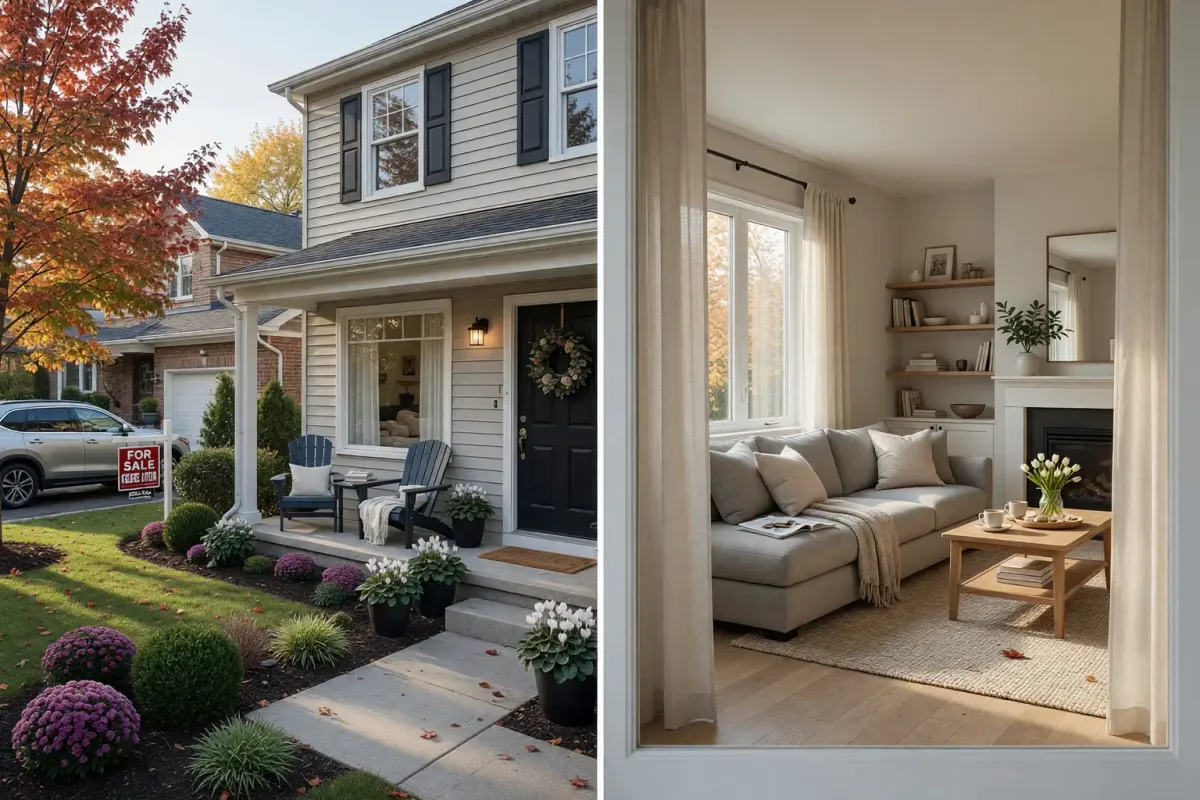
As the saying goes, home is where the heart is. That is why whenever you are looking to sell a house, you want to prioritize the home staging and decoration of the property in order to capture that feeling for potential buyers. Many people look at their homes as an extension of themselves, so you want to create an environment that people can picture themselves in for the long-term. This is why home staging is so important to the selling process.
Understanding the psychology behind home staging can transform your property from just another listing into a must-see opportunity. The way you present your home can significantly impact how quickly it sells and the final sale price. Strategic staging helps buyers envision their future in the space while minimizing distractions that might otherwise detract from the property’s best features. If you are selling in a competitive real estate market, strong staging can be the differentiator that puts your listing on top.
To help you create a home that people would like to walk through and buy, here are three home staging tips to get the job done, along with three critical mistakes you should avoid. By investing in careful home staging, you can potentially increase your property value and attract more qualified buyers to your property — including those who have already figured out how to buy a house with no cash saved and are eager to close.
Essential Home Staging Tips for Success
Home staging is an art, which means it is greatly influenced by personal preference. However, there are proven strategies that appeal to the broadest range of potential buyers. Instead of trying to find a single style that suits everyone, these tips will help you create universal appeal without getting tied up with the specifics of individual taste.
Emphasize Family and Comfort
People want to buy homes that they can picture living in with their families. So, when you are staging your home for sale, you should arrange the furniture with that in mind. That includes focusing on open living and dining spaces and comfy-looking bedrooms that invite relaxation and family gatherings.
Try filling these rooms with things such as throw pillows and blankets to further increase the comfortable home-style feel in these spaces. Layer textures thoughtfully to create visual interest while maintaining that cozy atmosphere. Soft fabrics like cotton, linen, and wool can make spaces feel more inviting and lived-in without appearing cluttered.
You can even include small details such as books and boardgames on the shelves or a barbeque in the yard to provide the image of activities and life in the home. These touches help potential buyers imagine their own family moments happening in the space. A chess set on a side table, a cookbook displayed in the kitchen, or outdoor furniture arranged for conversation can all contribute to this welcoming narrative.
Finally, if you can consider including a TV in the living space. You would be surprised but if you take a look at many homes on the markets, they are staged as if most people do not have TVs in their homes. A tastefully incorporated television helps buyers see the room as a functional entertainment space where their family will actually spend time together.
Focus on Curb Appeal
For most people, home staging stops the second you step outside of the front door, but that does not have to be the case. By taking the time to emphasize the curb appeal and fix up the yard, you can make the drive up to the home feel just as inviting as the interior. First impressions are formed within seconds, and the exterior of your home sets expectations for everything inside.
Think about it, if a home was dark and grey with a worn-down lawn would you feel excited about buying it? How about a house with a nicely trimmed lawn with flowers and lawn decorations? By taking the time to improve the curb appeal on the property, you can easily attract more potential buyers who would have otherwise driven by and never looked at your property in the first place.
Simple improvements like fresh mulch, trimmed hedges, a clean walkway, and a welcoming front door can make an enormous difference. Kitchens and bathrooms carry the most weight — learn why bathroom renovations add the most value to any property, whether you are selling or renting. Consider adding potted plants near the entrance, ensuring house numbers are clearly visible and attractive, and making sure all exterior lighting fixtures are clean and functional. A well-maintained exterior signals to buyers that the entire property has been cared for properly.
Consider Using Scents
One of the masterful marketing techniques employed by bakeries and retail stores is called scent marketing. By filling the air with smells like lavender, lilac or freshly baked cookies, people find themselves relaxed and more willing to spend their time and money in the store. The same trick can work in real estate, as scent is one of the most powerful triggers for emotion and memory.
By freshening up the scent of a home, you can create positive images for your buyers that will increase their interest in buying the home. This can be done with air fresheners, freshly washed fabrics, or other means. However, be careful not to overpower the space with artificial fragrances, as this can have the opposite effect and make buyers wonder what you might be trying to hide.
For example, if you want to highlight the kitchen and draw people in, you can get creative and bake a batch of cookies. Not only will the scent be pleasant and attractive, but you can also provide a snack at the open house which will entice people to stay longer. Other effective natural scents include fresh coffee brewing, citrus peels, fresh flowers, or even the clean smell of fresh laundry.
Critical Mistakes to Avoid When Staging Your Home
Addressing neglected issues can undermine even effective staging when selling a property. Property owners gain valuable insight from the most common home repairs and basic troubleshooting steps.
While home staging is a very personal part of the selling process, there are a few general guidelines you should consider to increase your odds of making the sale while turning away the fewest number of prospective buyers. Understanding what not to do is just as important as knowing the best practices, especially if this is your first investment property sale. Beyond staging, make sure to avoid common home selling mistakes like FSBO attempts and pricing errors that can cost you thousands in lost value or extended time on market.
Keep Your Home Staging Balanced
Regardless of how you like to live, whether you are a minimalist or prefer to fill every space in your home, you should always strive for balance when staging a home. Finding the middle ground between empty and cluttered is essential for creating broad appeal.
If you keep the home too sparsely decorated and empty, you leave a lot of room for the buyer’s mind to wander. While this can be useful to help them imagine their own belongings in the space, it can also give them more time to notice smaller flaws in the home that can detract from the overall appeal. Empty rooms also tend to appear smaller and less functional than properly furnished spaces.
On the other hand, if you over-decorate the property, it can feel lived-in and cramped which can deter people from buying the home. Too many decorative items, personal collections, or furniture pieces can make rooms appear smaller and prevent buyers from imagining their own belongings in the space. Aim for a curated look that showcases the room’s potential without overwhelming the senses.
Borrowers comparing options often continue with 3 Home Selling Mistakes That Cost Canadians Thousands before booking a strategy call.
Keep a Neutral Tone
You may love bright colours and extravagant and unique decorations, but it is not for everyone. Instead, try to strive for a neutral tone when staging your property. This does not mean your home needs to be boring or sterile, but rather that you should create a versatile backdrop that appeals to diverse tastes.
Bold, heavily saturated colours can draw people’s eyes but if overdone, they can make rooms feel smaller and distract people from the real charm of the home. By primarily using muted colours and neutral tones, you can create a relaxing feel that can act as a blank canvas for buyers to paint a mental picture of how they would like the home to look once they move in.
Neutral does not mean you cannot add pops of color through accessories, artwork, or textiles. The key is to use these accents sparingly and strategically to add visual interest without overwhelming the space or imposing your personal style too heavily on potential buyers.
Avoid Offensive or Controversial Decorations
Regardless of your own personal stances, you should always strive to eliminate offensive or potentially controversial elements in your home staging. This can include political messaging, religious symbols, or vulgar images. Remember that everyone comes from different backgrounds, and you do not want to alienate any buyers by offending them or making them feel out-of-place.
The goal of staging is to create a welcoming environment for the widest possible audience. Personal items like family photos, religious artifacts, or anything that might indicate your political affiliations should be removed or minimized. This allows buyers to focus on the property itself rather than the current occupants, making it easier for them to envision themselves living there.
Removing controversial decorations and keeping a neutral tone is smart staging, but knowing your mortgage options before you list is just as important — book a free strategy call with LendCity to understand your breakeven and porting options.
Whether you’re buying your first rental or your tenth, having the right mortgage structure matters — book a free strategy call with LendCity to build a plan that scales with you.
When you’re ready to structure the mortgage side of this strategy, our U.S. mortgage financing guide for Canadians covers the programs that typically fit.
Room-by-Room Quick Wins
If you’re short on time or budget, prioritize these rooms—they drive most buyer decisions:
- Living room: Clear focal point (fireplace, view, or entertainment area), conversation seating (not everything aimed at the TV), warm layered lighting, and a plant or two
- Kitchen: Nearly clear counters, spotless appliances, one cookbook or bowl of fruit—not a crowded work surface
- Primary bedroom: Quality neutral bedding, limited furniture, soft lighting, and cleared closets that show storage
- Bathrooms: Fresh towels, spa-like simplicity, personal products put away, every surface sparkling
Even partial staging of these spaces beats leaving an empty or cluttered investment property vacant for photos.
Understanding the Financial Impact of Proper Staging
The investment you make in home staging can yield significant returns. Properties that are professionally staged typically sell faster and for higher prices than unstaged homes, especially when paired with smart renovation choices and the right flip mortgage financing. The visual appeal created through thoughtful staging translates directly into perceived value in the minds of buyers. Savvy investors always analyze a property’s numbers before buying or selling, and staging directly improves the numbers on the selling side.
What to Do About Your Mortgage When Selling
If you need help finding out what to do regarding your mortgage when you sell, take the time to speak with a qualified mortgage agent to look at your residential mortgage solutions. Sometimes you can port your mortgage to a new property, while others you may need a bridge loan to help you buy your next home while selling the first.
Understanding your mortgage options before listing your home can help you make more informed decisions about pricing and timing. If you are a homeowner 55 or older, it is worth exploring whether a reverse mortgage might be a better option than selling — you could access your equity without giving up the home you have spent years staging to perfection. Different mortgage products have varying penalties for early termination, and knowing these details upfront can save thousands on your mortgage costs and prevent delays in your sale process.
Whether you need bridge financing or want to port your mortgage to a new property, sorting out those details early can save you thousands — book a free strategy call with us before you list.
Key Takeaways:
- Essential Home Staging Tips for Success
- Critical Mistakes to Avoid When Staging Your Home
- Understanding the Financial Impact of Proper Staging
- What to Do About Your Mortgage When Selling
Many investors leave money on the table by not exploring all their financing options — schedule a free strategy session with us and we’ll show you what’s available.
Frequently Asked Questions
How much does professional home staging typically cost?
How long before listing should I start staging my home?
Should I stage every room in my house?
Can I stage my home myself or should I hire a professional?
What is the most important aspect of home staging?
How does curb appeal affect the sale of a home?
Does scent marketing actually work when selling a home?
Weekly Investor Insight
Sunday financing notes for investors
Market updates, rate moves, and deal structures — once a week. Unsubscribe anytime.
By submitting, you agree to receive occasional emails from LendCity. You can unsubscribe at any time.
Disclaimer: LendCity Mortgages is a licensed mortgage brokerage. Content on this page is for educational purposes only and does not constitute legal, tax, investment, securities, or financial-planning advice. Rates, premiums, program terms, and regulations referenced are as of the page's last updated date and are subject to change. Any investment returns, rental yields, tax savings, or case-study figures shown are illustrative only — they are not guaranteed, not typical, and individual results will vary. Consult a licensed lawyer, Chartered Professional Accountant, or registered dealer before acting on any information above. Editorial standards.

Written by
Scott Dillingham
Published
December 21, 2025
· Updated August 2, 2026Reading time
11 min read
Refinance
Replacing an existing mortgage with a new one, typically to access equity, get a better rate, or change terms. Investors commonly refinance to pull out capital for purchasing additional properties (cash-out refinance) while retaining ownership of the original property.
Market Value
The estimated price a property would sell for on the open market under normal conditions. Determined by comparable sales, location, condition, and market demand.
Appraisal
A professional assessment of a property's market value, required by lenders to ensure the property is worth the loan amount.
Curb Appeal
The visual attractiveness of a property as viewed from the street, which impacts buyer and tenant interest. Strong curb appeal can justify higher rents, reduce vacancy periods, and increase property values through relatively low-cost improvements like landscaping, fresh paint, and exterior maintenance.
Home Staging
The process of furnishing and decorating a property to maximize its appeal to potential buyers or tenants, typically using neutral colors and strategic furniture placement. Well-staged properties consistently sell faster and at higher prices while attracting better-quality tenants.
Incorporation
The legal process of forming a corporation to own and operate investment properties. Incorporation creates a separate legal entity providing liability protection and tax planning options, but adds complexity and can affect mortgage qualification.
Foundation
The structural base of a building that transfers loads to the ground. Foundation issues such as cracks, settling, or water intrusion are among the most expensive repairs in real estate and can significantly impact property value and financing eligibility.
Hover over terms to see definitions. View the full glossary for all terms.