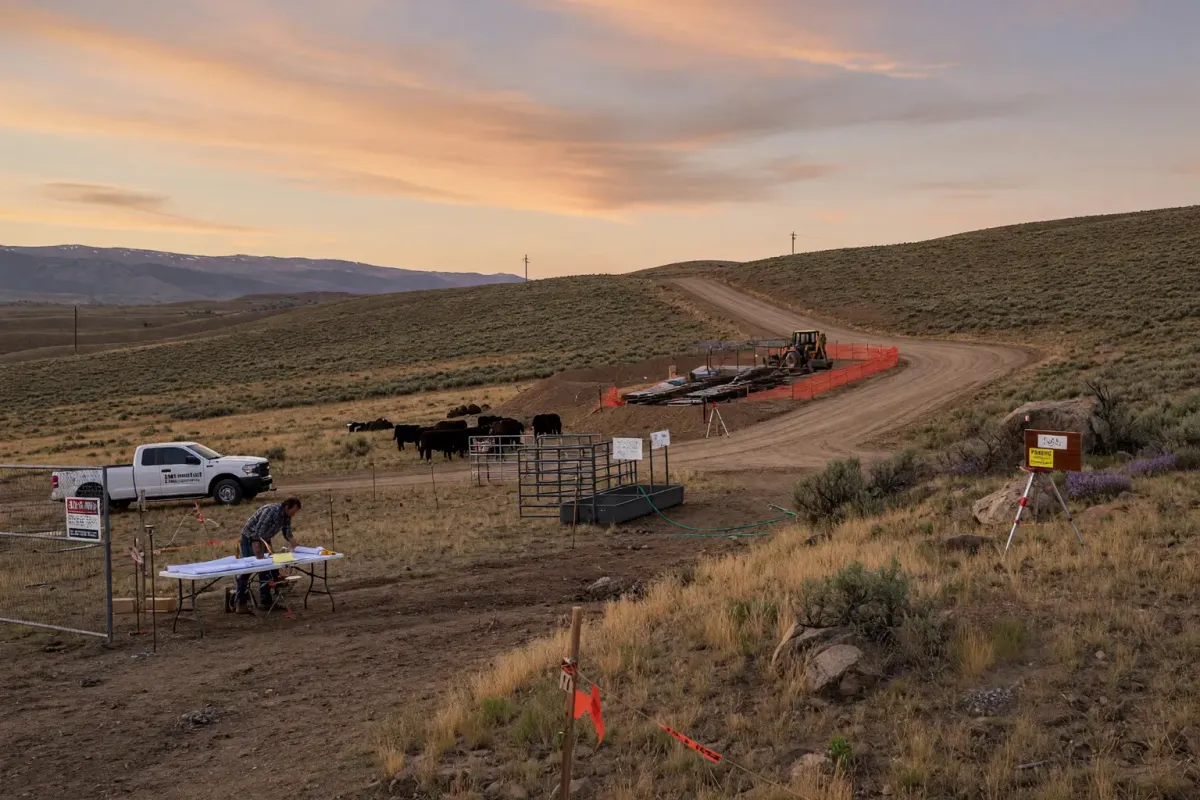
When looking for real estate opportunities, you may have come across something known as raw land investing. “Raw land” refers to land that hasn’t been developed—meaning there have never been homes or other structures built on the property, and it hasn’t been used for agriculture or other commercial purposes.
Raw land investing is enticing to investors because these properties present several different ways to make money. You can use this type of property in many ways—development, leasing, or long-term appreciation plays. With a solid plan and the right piece of land, raw land investing gives you multiple paths to profit.
Another significant benefit of raw land is that it’s usually much cheaper compared to developed property. If you don’t want to buy an expensive property and risk losing a substantial amount of money, raw land investing could be an excellent option to consider.
Is Raw Land Investing Right for You?
So does raw land investing match your style and goals? It’s often simpler than other real estate strategies, but it still requires significant work.
The Research Requirement
The research on raw land properties in your area alone could take considerable time. The only way you’re going to make money on a raw land investment is by choosing the right piece of land in the right location. This means understanding:
- Local zoning regulations and restrictions
- Future development plans in the area
- Access to utilities and infrastructure
- Environmental considerations
- Market demand for the specific location
Patience Is Required
Raw land investing could also take more time to show profits than other methods. If you’re looking for a quick return on your investment, raw land may not be the right opportunity for you.
That said, if you’re willing to put in the time and work, raw land investing can be quite lucrative. Here are four proven ways to make money with raw land investments.
Strategy 1: Buy and Hold for Appreciation
Many investors choose to buy raw land properties and hold onto them before selling at a higher price. This might seem risky, but it can pay off significantly if you time your sale well and choose the right property.
Why Buy and Hold Works
The “buy and hold” method is frequently utilized by investors wanting properties that don’t require much maintenance. Unlike rental properties that demand ongoing attention, raw land essentially takes care of itself.
Using buy and hold with raw land has several benefits:
- Lower property taxes: Undeveloped land typically has much lower tax assessments than improved property
- Minimal maintenance: no buildings means no repairs, no tenants, no property management headaches
- Simplicity: you own the land and wait for its value to increase
- Low carrying costs: beyond taxes and perhaps minimal insurance, ongoing expenses are negligible
Keys to Success
Watch the market closely with this strategy. Miss the window to sell at a higher value, and you could be holding that land for a long time.
Look for land in the path of development. Areas where cities are expanding, where new highways or infrastructure are planned, or where zoning changes are anticipated often see the strongest appreciation.
Strategy 2: Lease the Land for Income
Some investors choose to lease their raw land to businesses or individuals as a way to generate ongoing income. This transforms raw land from a pure appreciation play into an income-producing asset.
Common Leasing Opportunities
Check your area for interest in leasing raw land properties. Businesses and individuals that commonly lease raw land include:
- Agriculture operations
- Livestock owners needing grazing land
- Hunting clubs
- Solar or wind energy companies
- Cell tower companies
- Billboard advertisers
- Storage facilities (for boats, RVs, equipment)
- Parking lot operators
- Event venues
Allowing a business to rent your property means constant income until they decide to move on. Depending on your location, finding someone to lease your property can be surprisingly easy.
Setting the Right Lease Rate
Get your lease pricing right. Research average leasing amounts in your area for comparable properties and uses.
A common starting point is to charge around one percent of the property’s total value per month, but this varies significantly based on:
- Location and accessibility
- Size of the property
- Type of use
- Length of lease commitment
- Improvements needed
A real estate professional with experience in land transactions can offer valuable guidance on setting competitive lease rates.
Strategy 3: Develop the Property
Raw land investors sometimes choose to do the initial development on a piece of land. You could build anything from single-family homes to apartment buildings to commercial centers. Depending on the size of your raw property, you may be able to construct several different structures.
When evaluating where to develop raw land into homes, apartments, or commercial centers, regional incentives and permit rules can shape financing and carrying-cost decisions. Many investors study Welland industrial and residential development incentives for Ontario-specific tax advantages and corridor opportunities.
Development Possibilities
After building on the land, you can:
- Rent to residential tenants
- Lease to business owners
- Sell the improved property at a premium
- Create a mixed-use development
Rental fees from developed structures could provide substantial ongoing income, transforming a one-time land purchase into a long-term cash flow machine.
Understanding the Costs
Development takes significant time and money. Construction crews, materials, permits, engineering, and other costs add up quickly. You could find yourself in considerable debt by trying to develop raw land without proper planning.
Always keep your budget in mind. Your budget will help determine how much development (if any) you can realistically undertake. Consider:
- Land purchase price
- Permitting and approval costs
- Infrastructure (roads, utilities, drainage)
- Construction costs
- Financing expenses
- Marketing and sales costs
- Contingency for unexpected issues
Many investors partner with experienced developers or bring in construction financing to handle major development projects.
Strategy 4: Subdivide and Sell
If you’ve purchased a large piece of raw land, consider dividing it and selling various pieces to multiple buyers. Buyers looking for their own piece of raw land are often more willing to invest in a smaller, more affordable parcel.
The Economics of Subdivision
Selling smaller pieces of raw land can generate more total revenue than selling one large piece. This is because:
- More buyers can afford smaller parcels
- You can sell to multiple buyers simultaneously
- Premium pricing often applies to ready-to-build lots
- You control the timing of sales
Regulatory Considerations
Before selling land in sections, be aware of all local regulations. Subdivision typically requires:
- Survey and engineering work
- Municipal approval processes
- Infrastructure requirements (roads, drainage)
- Environmental assessments
- Compliance with zoning regulations
You don’t want to end up in legal trouble because you didn’t do proper research. A real estate professional experienced in land development will have the right resources to navigate land regulations in your area and handle the necessary paperwork.
Combining Strategies
Many successful raw land investors combine these strategies over time. For example, you might:
- Purchase raw land at a low price
- Lease it for passive income while you hold it
- Subdivide when market conditions are favorable
- Develop some parcels while selling others
This layered approach maximizes returns while managing risk across multiple income streams.
Financing Raw Land Purchases
Raw land can be more challenging to finance than improved property. Traditional lenders often require:
- Larger down payments (often 20-50%)
- Higher interest rates
- Shorter loan terms
- Strong evidence of a viable exit strategy
Working with a mortgage professional who understands land financing can help you find appropriate products and structure deals effectively.
Building Your Team
Success in raw land investing often depends on having the right professionals on your side:
- Real estate agents with land transaction experience
- Surveyors for accurate boundary determination
- Environmental consultants for due diligence
- Zoning attorneys for regulatory guidance
- Civil engineers for development planning
- Lenders who understand land financing
Final Thoughts
Ready to explore your financing options? Book a free strategy call with LendCity and let our team help you find the right path forward.
Investing in raw land can be an excellent option for both experienced and new investors. The key benefits—lower purchase prices, minimal maintenance, multiple profit strategies, and portfolio diversification—make it worth serious consideration.
Success requires doing plenty of research on the property you’re considering and building a team of professionals who can help you make smart choices. With the right plan and patience, making money from a raw land investment can be straightforward and rewarding.
If you want to hold for appreciation, generate lease income, develop the property, or subdivide for multiple sales, raw land offers flexibility that few other real estate investments can match.
Frequently Asked Questions
Is raw land a good investment for beginners in Canada?
How do you finance a raw land purchase in Canada?
Can you earn passive income from raw land without developing it?
What are the biggest risks of investing in raw land?
Is it more profitable to subdivide raw land or sell it as one parcel?
What due diligence should I perform before purchasing raw land?
How can I combine multiple raw land strategies to maximize returns?
Weekly Investor Insight
Sunday financing notes for investors
Market updates, rate moves, and deal structures — once a week. Unsubscribe anytime.
By submitting, you agree to receive occasional emails from LendCity. You can unsubscribe at any time.
Disclaimer: LendCity Mortgages is a licensed mortgage brokerage. Content on this page is for educational purposes only and does not constitute legal, tax, investment, securities, or financial-planning advice. Rates, premiums, program terms, and regulations referenced are as of the page's last updated date and are subject to change. Any investment returns, rental yields, tax savings, or case-study figures shown are illustrative only — they are not guaranteed, not typical, and individual results will vary. Consult a licensed lawyer, Chartered Professional Accountant, or registered dealer before acting on any information above. Editorial standards.

Written by
Scott Dillingham
Published
July 30, 2026
Reading time
8 min read
Appreciation
The increase in a property's value over time, which builds [equity](/glossary/equity/) and wealth for the owner through market growth or [forced improvements](/glossary/forced-appreciation/).
Carrying Costs
The ongoing expenses of holding a property, including mortgage payments, property taxes, insurance, utilities, and maintenance. Understanding carrying costs is essential during renovation periods when the property generates no rental income.
Cash Flow Optimization
Cash flow optimization is the strategic process of maximizing the net income generated from a rental property by increasing rental revenue and minimizing operating expenses, mortgage costs, and vacancies. For Canadian real estate investors, this often involves tactics such as selecting the right financing structure, leveraging rental income from multiple units, and managing expenses like property taxes and maintenance to ensure the property generates consistent positive monthly returns.
Cash Flow
The money left over after collecting rent and paying all expenses including mortgage, taxes, insurance, maintenance, and property management. Positive cash flow is the primary goal of buy-and-hold investors. See also [NOI](/glossary/noi/), [Cash-on-Cash Return](/glossary/cash-on-cash-return/), and [Vacancy Rate](/glossary/vacancy-rate/).
Comparable Properties
Similar properties in the same market area used to establish fair market value or rental rates through comparison of features, location, condition, and recent sale or rental prices. Analyzing comps is essential when determining offer prices and setting competitive rents.
Construction Financing
A short-term loan that funds the building or major renovation of a property, disbursed in stages (draws) as construction milestones are completed. Once building is finished, the construction loan is typically replaced with a permanent mortgage through a process called takeout financing. Interest is charged only on the amount drawn.
Down Payment
The upfront cash payment when purchasing a property. For 1-4 unit investment properties, minimum 20% down is required. 5+ unit multifamily can use CMHC MLI Select with lower down payments, and house hackers can put as little as 5% down on owner-occupied 2-4 plexes. Your down payment directly affects your [LTV](/glossary/ltv/) and the amount of [leverage](/glossary/leverage/) you use.
Due Diligence
The comprehensive investigation and analysis of a property before purchase, including financial review, physical inspection, title search, and market analysis.
Easement
A legal right to use another person's land for a specific purpose, such as access, utilities, or drainage. Easements transfer with the property and should be identified through title review before purchase.
Environmental Assessment
A professional evaluation of a property's environmental condition, typically required by commercial lenders. Phase I reviews historical records for contamination risk. Phase II involves soil and water testing. Essential for commercial and industrial property purchases.
Hover over terms to see definitions. View the full glossary for all terms.